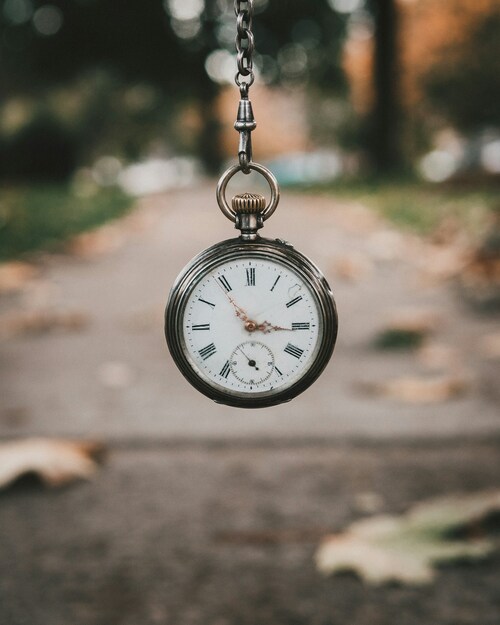
Muslim communities have obsessed over precision timekeeping for more than a millennium because prayer schedules, bustling trade routes, and observatories all needed tightly managed routines. Medieval Islamic astronomers even reorganized Greek and Indian math to solve for qibla and salah times, creating a pipeline of observatories, guilds, and craftsmen that ultimately laid the groundwork for today’s mechanical watch boom.
Why faith and trade demanded clockwork accuracy
- Religious cadence: Determining the five daily prayers plus the qibla direction compelled scholars to blend observation with math, birthing a scientific culture that treated accurate clocks as a religious utility, not a luxury. (Islamic astronomy entry, 2026-04-20)
- Global logistics: Histories of timekeeping note that Islamic water clocks remained the most sophisticated in the world through the mid-14th century, giving caravans and ports practical schedules before Europe standardized pendulums. (History of timekeeping devices entry, 2026-04-20)
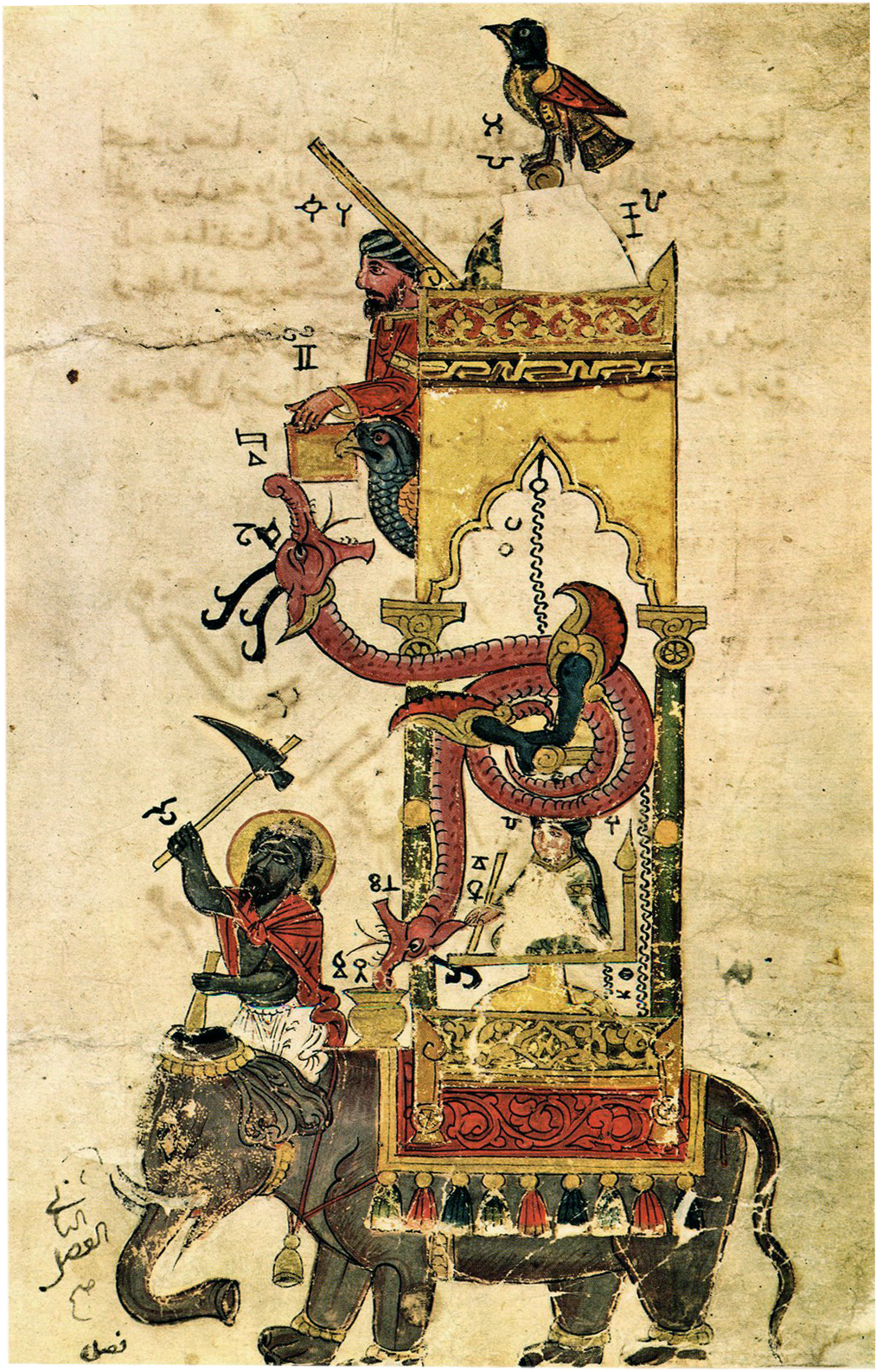
Al-Jazari’s automata (1206): proto-watch calibers
In 1206, Artuqid engineer Al-Jazari sketched and built his famous elephant clock—a float-regulated, weight-powered system that rang drums and flipped serpents every half-hour. (Elephant clock entry, 2026-04-20) Its regulated flow, segmented gear train, and animated indicators operate like a desk-sized mechanical watch: a mainspring (the elevated water tank), a governor (the bowl and float), and a dial (automata around the howdah). Modern reproductions in Dubai’s Ibn Battuta Mall and at Saudi Arabia’s KAUST museum keep those complications on public display, showing how Muslim innovators paired storytelling with precision engineering. (Elephant clock entry, 2026-04-20)
The hardware Muslims pioneered
- Rotating gears: Al-Jazari’s castle and elephant clocks used multi-stage gear trains to convert steady water flow into choreographed hourly motion for automata, musicians, and astronomical indicators, proving that mechanical amplification could serve both devotion and spectacle. (Elephant clock entry, 2026-04-20)
- Pulleys and counterweights: Water-driven floats pulled on pulleys to lift weights, open doors, strike drums, or reset indicators, letting muwaqqits trigger complicated sequences without touching the mechanism. (Elephant clock entry, 2026-04-20)
- Proto-escapements: The tipping buckets and intermittent-release regulators inside those clocks throttled energy before the European verge-and-foliot escapement existed, the same principle Taqi al-Din later refined in his observatory clocks to capture eclipses to the second. (Elephant clock entry, 2026-04-20)
European workshops picked up those building blocks in the 13th and 14th centuries, added mainsprings, and shrank the architecture into tower clocks and, eventually, pocket watches—but the underlying kit of gears, pulleys, and escapements had already been battle-tested in Muslim courts. (History of timekeeping devices entry, 2026-04-20)
Observatory-grade mechanics under Taqi al-Din
Ottoman polymath Taqi al-Din (1526–1585) ran Istanbul’s imperial observatory and designed mechanical astronomical clocks so precise that he used them to track the Great Comet of 1577. (Taqi al-Din entry, 2026-04-20) His treatises described spring-driven movements with hour, minute, and second trains so that observers could timestamp eclipses and planetary transits. By insisting on decimal fractions for trigonometry and by machining his own escapements, Taqi al-Din bridged devotional needs and scientific instrumentation—a blueprint every independent watchmaker still follows when pairing hand assembly with mathematical rigor.
From muwaqqit rooms to portable watches
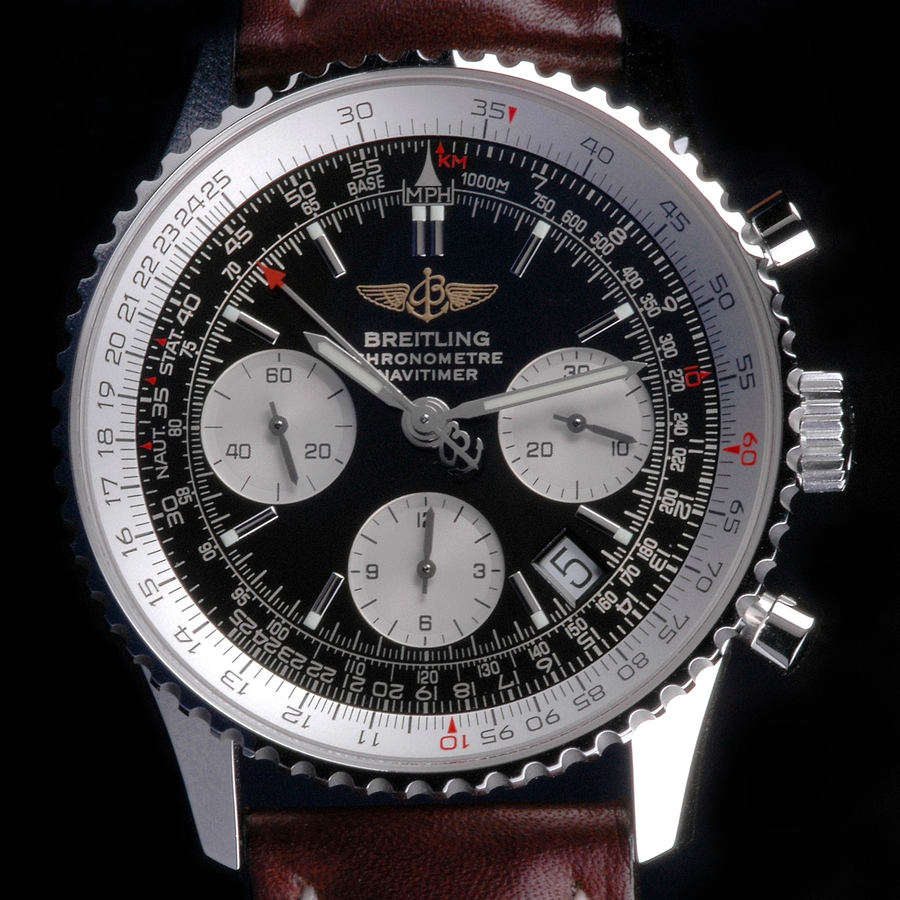
Dar al-Muwaqqit lodges (muvakkithane) embedded professional timekeepers inside major mosques so they could marry astronomy, mechanical clocks, and prayer schedules every single day. (Muvakkithane entry, 2026-04-20) When early-15th-century watchmakers introduced the mainspring and freed clocks from tower-sized weights, portable watches suddenly became feasible, and Muslim muwaqqits already had the institutional know-how to integrate those movements into civic and devotional life. (History of timekeeping devices entry, 2026-04-20) That continuity—from water clocks to observatory workshops to portable movements—explains why modern collectors still chase Hijri calendars, moon-phase displays, and adhan reminders that echo palace-era briefs.
Moroccan guilds and hydraulic clocks kept the craft alive
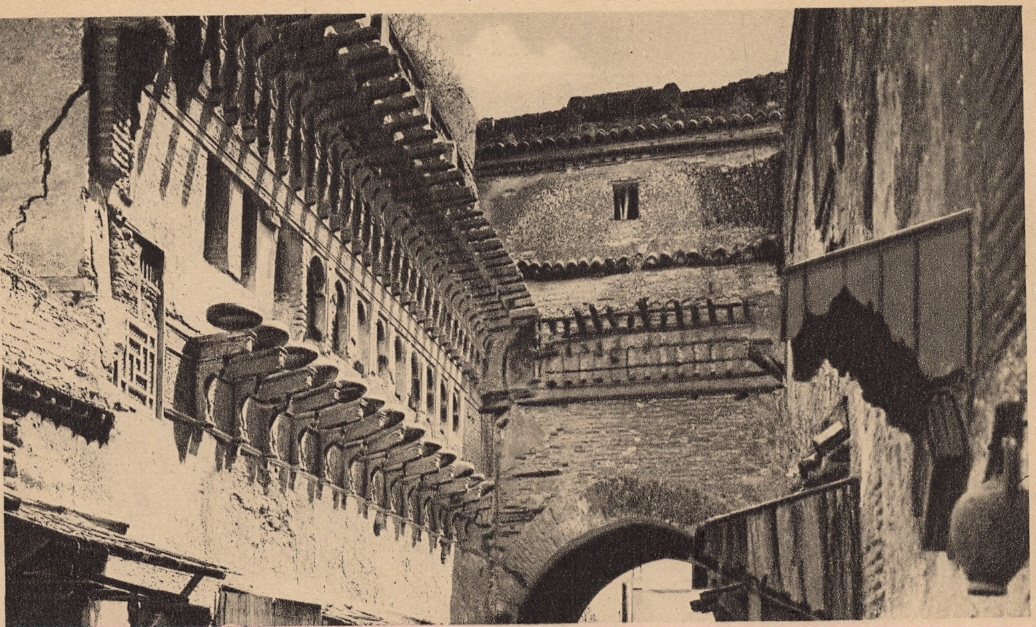
Sultan Abu Inan Faris built Fes’s Dar al-Magana in 1357 as a dedicated house for a 12-window, weight-powered hydraulic clock designed by muwaqqit Abu al-Hassan ibn Ali Ahmed al-Tlemsani. (Dar al-Magana entry, 2026-04-20) Each hour dropped a brass ball into resonant bowls so the Bou Inania madrasa could coordinate lessons and prayers. Although silent for generations, ADER-Fes conservators have been restoring the facade and mechanism since the early 2000s, proving that Muslim-majority cities still invest in legacy chronometry as public infrastructure. (Dar al-Magana entry, 2026-04-20)
Today’s custodians and collectors
- Gulf museums and malls commission working replicas of Al-Jazari’s clock, turning mechanical storytelling into community STEM programming. (Elephant clock entry, 2026-04-20)
- Moroccan heritage labs document Dar al-Magana’s weight carts and bowls so modern engineers can rebuild them, creating open schematics for future watch restorers. (Dar al-Magana entry, 2026-04-20)
- Independent Muslim designers now treat that legacy as creative fuel, pairing Swiss suppliers with narratives rooted in Ottoman observatories and Moroccan guilds—the same arc that pushed mechanical watches from liturgical tools to collectible art.
Whether you’re strapping on a chronograph or admiring an elephant automaton, you’re seeing the continuation of a Muslim engineering tradition that made precise, portable time a spiritual necessity centuries before it became a fashion flex.
Lastly...
If you made it this far, thanks for reading and we hope you benefited. Our articles aren't affiliated or sponsored by anyone but if you want to support the work we're doing and enjoy informative news then follow us on Instagram or X.