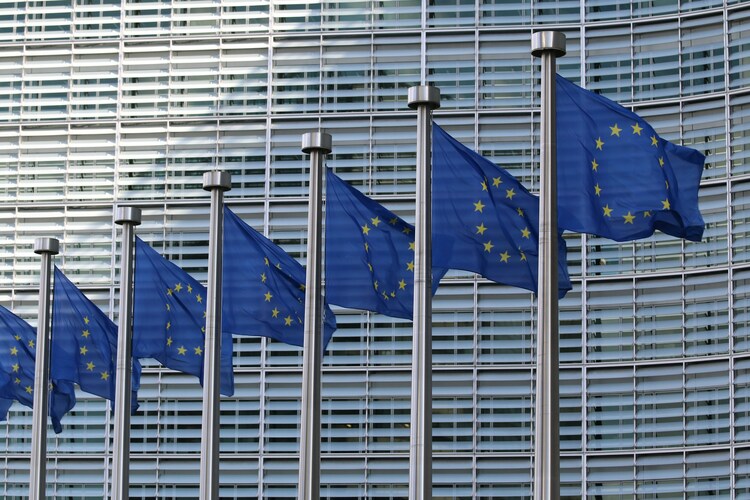
More than 60 governments met in Brussels on Monday at an EU-led conference meant to refocus global attention on security, stabilization, and long-term peace for Gaza and the occupied West Bank. European diplomats framed the gathering as a chance to reclaim influence after months of war in Iran and Lebanon monopolized headlines. (Halifax CityNews/AP, 2026-04-20)

Aerial view of Brussels' EU quarter with flags lining Rue de la Loi
What happened in Brussels
- Belgian foreign minister Maxime Prévot, co-hosting alongside EU High Representative Kaja Kallas, warned that daily settler attacks and the devastation in Gaza are “making the two-state solution more difficult by the day,” even as the bloc still views it as the only viable path. (Halifax CityNews/AP, 2026-04-20)
- The EU reminded attendees it remains the largest single donor to the Palestinian Authority and Israel's top trading partner, but has been sidelined in ceasefire diplomacy—something officials hope to change now that Viktor Orbán's staunchly pro-Netanyahu government has fallen in Hungary. (Halifax CityNews/AP, 2026-04-20)
What Palestinian leaders asked for
- Palestinian Prime Minister Mohamed Mustafa said Gaza must operate under “one state, one government, one law and one goal,” urging donors to support a single security structure overseen by the Palestinian Authority, plus a gradual disarmament of militias and a full Israeli withdrawal. (Halifax CityNews/AP, 2026-04-20)
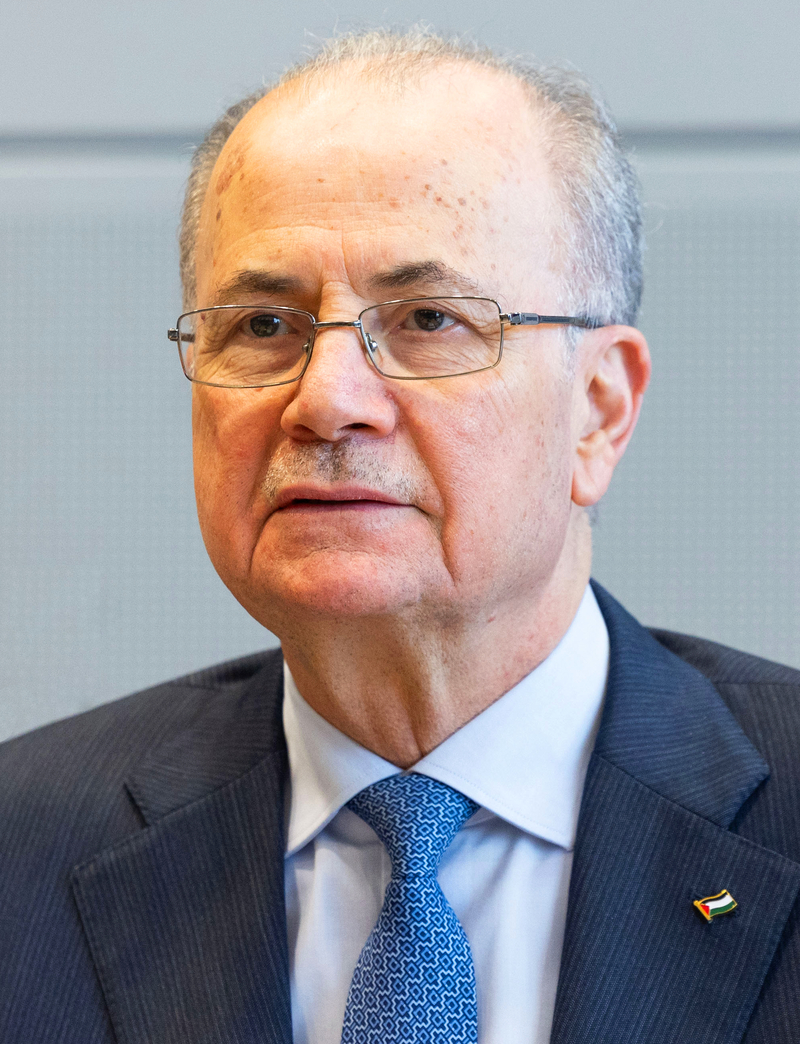
Palestinian Prime Minister Mohammad Mustafa in Brussels, January 2025
- Mustafa also pressed for coordination between any future international stabilization force, Palestinian security institutions, and donors so that aid and security plans are not fragmented. (Asharq Al-Awsat, 2026-04-20)
Why EU leverage might grow
- With Hungary's incoming prime minister Péter Magyar hinting he will stop vetoing Israel-related statements, EU hawks such as Spain's Pedro Sánchez see a new opening to pursue targeted sanctions against extremist settlers or even suspend cooperation clauses in the EU-Israel Association Agreement. (Halifax CityNews/AP, 2026-04-20)
Spain is already testing that theory
- At a campaign rally on 19 April, Sánchez vowed to formally ask EU foreign ministers this week to sever the Association Agreement unless Israel changes course, arguing that “a government that violates international law … cannot be our partner.” (Euronews, 2026-04-19)
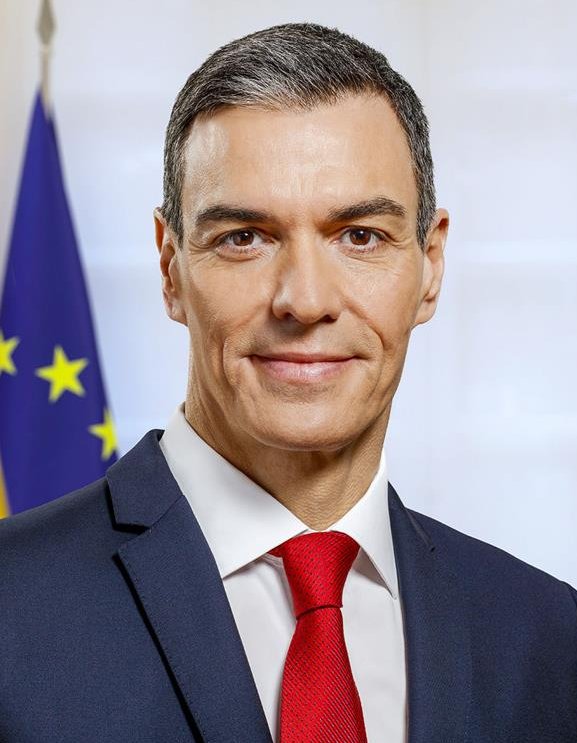
Spanish Prime Minister Pedro Sánchez calling for EU action in 2026
- Brussels-based outlets say Madrid will table the proposal in Luxembourg on Tuesday, even though tearing up the accord would require unanimity and Germany, Austria, and others still back Israel. (Brussels Reporter, 2026-04-19)
Why this matters for Muslim communities
- The Brussels conference signaled that EU aid and diplomacy may hinge on reforms Palestinians themselves control, especially unifying Gaza's security forces and removing weapons from factions that refuse the PA's authority. Those are the same conditions diaspora-led charities have been demanding before they scale up reconstruction funding.
- Spain's gambit to suspend trade privileges tells EU Muslims to keep pressing their governments—qualified-majority votes could still approve settler sanctions even if the full treaty stays. Tracking how each member state reacts over the next few weeks will show whether Europe is finally ready to leverage its economic weight on behalf of Palestinian civilians.